
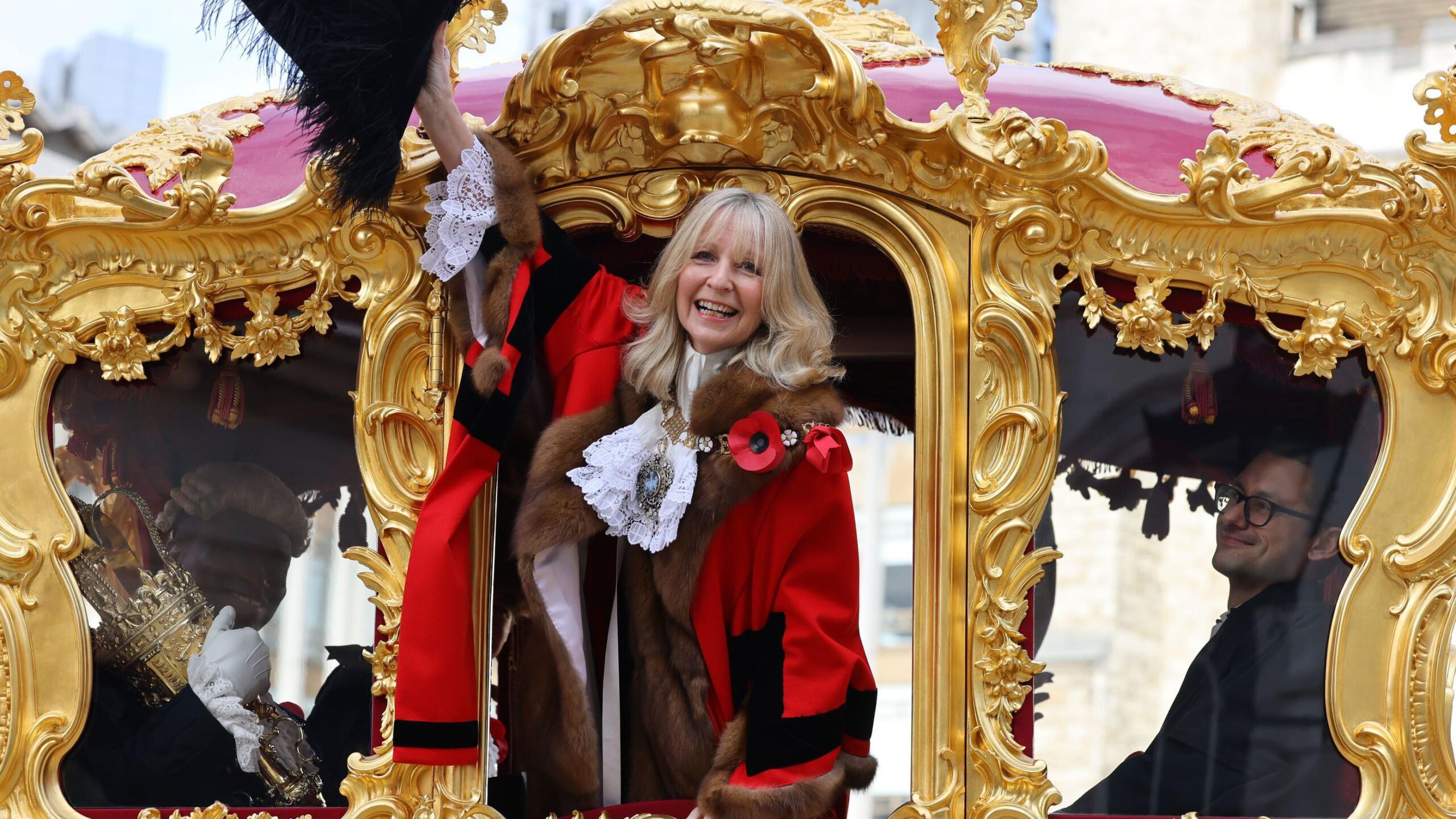
The ancient and prestigious office of the Lord Mayor of London has helped shape the City’s identity and influence for centuries. Distinct from the political Mayor of London, the Lord Mayor serves as the head of the City of London Corporation, representing the historic Square Mile—London’s financial and professional services hub—and championing its interests at home and abroad. This role blends rich tradition with modern global diplomacy, civic pride, and charitable impact.
History and Evolution of the Role
The office of the Lord Mayor dates back to 1189, making it one of the oldest continuously elected civic positions in the UK. Originally established when the City of London was granted the right to elect its own mayor by royal charter, the role has evolved from medieval prominence to a modern ambassadorial position. Over centuries, the Lord Mayor has maintained ceremonial duties while adapting to the changing economic and cultural priorities of the City.
How the Lord Mayor Is Elected
The Lord Mayor is elected annually by the City’s ancient livery companies, drawn from a pool of senior civic leaders. A key prerequisite is that the candidate must have served as a Sheriff of the City and be an Alderman of one of the City’s 25 wards. Elections take place around Michaelmas (29 September), and the Mayor-Elect assumes office the following November after a traditional Silent Ceremony and the historic civic procession known as the Lord Mayor’s Show.
Role and Responsibilities
As head of the City of London Corporation, the Lord Mayor presides over the Court of Aldermen and the Court of Common Council—the governing bodies of the City. The role functions as a global ambassador for the UK’s financial and professional services, promoting trade, investment, and business ties across continents. While largely ceremonial and unpaid, the position holds significant soft power, convening leaders, hosting dignitaries, and representing the City on international missions.
Lord Mayor’s Show and Key Events
One of the most famous traditions associated with the Lord Mayor is the Lord Mayor’s Show, an annual parade that dates back to the early 13th century and is considered the oldest civic procession in the world. Originally intended as a formal journey to Westminster to swear loyalty to the Crown, it has evolved into a vibrant street festival featuring bands, floats, military units, livery companies, and thousands of participants.
In 2025, for the first time in over eight centuries, the parade has been renamed the Lady Mayor’s Show in honour of Dame Susan Langley DBE, reflecting her unique position as the first officeholder to use the title Lady Mayor.
Residence: Mansion House
The Lord Mayor’s official residence and workplace is Mansion House, a grand Palladian building completed in 1752 in the heart of the City of London. Mansion House not only serves as a historic home but as a venue for official functions, diplomatic receptions, and the annual Mansion House Speech, a major event in the City’s financial calendar.
City of London Corporation
The City of London Corporation is the governing body for the Square Mile, the medieval core and financial heart of London. Distinct from Greater London’s local government, the Corporation administers services, supports businesses, and preserves the City’s heritage. The Lord Mayor works closely with its councils and committees, upholding traditions while supporting economic innovation.
The Lord Mayor’s Appeal
A key aspect of the modern mayoralty is The Lord Mayor’s Appeal, a charitable initiative that channels civic influence into social impact. Each year, under strategic pillars such as inclusivity, health, skills, and fairness, the appeal supports thought leadership programmes and charities addressing homelessness, mental health, and community wellbeing, including partnerships with Homewards and MQ Mental Health Research.
Why the Role Matters to London
While largely ceremonial, the Lord Mayor’s position is significant for London’s global reputation, economic diplomacy, and civic culture. The mayor acts as a bridge between business, government, and international partners, bringing visibility and influence to the City’s priorities. The annual pageantry reinforces the City’s historical identity, while the role’s advocacy work shapes perceptions of London as a leading global financial centre.
Dame Susan Langley: A New Chapter
In 2025, Dame Susan Langley DBE became the 697th Lord Mayor of London, and only the third woman in history to hold the office, but the first to be styled “Lady Mayor.” Her election and the renaming of the historic parade signify both continuity and change in an institution steeped in tradition. Dame Susan brings a deep background in finance, insurance, and public service and is committed to modernising the mayoralty, enhancing London’s competitiveness, and demonstrating the City’s inclusive and global future.
Finally, the Lord Mayor of London remains one of Britain’s most enduring civic roles, an office rooted in history yet evolving with the modern world. From medieval charters to global financial diplomacy, ceremonial splendour to charitable leadership, the position embodies the unique blend of tradition and innovation that defines the City of London. And with Dame Susan Langley’s historic tenure as Lady Mayor, that legacy continues to unfold in new and meaningful ways.